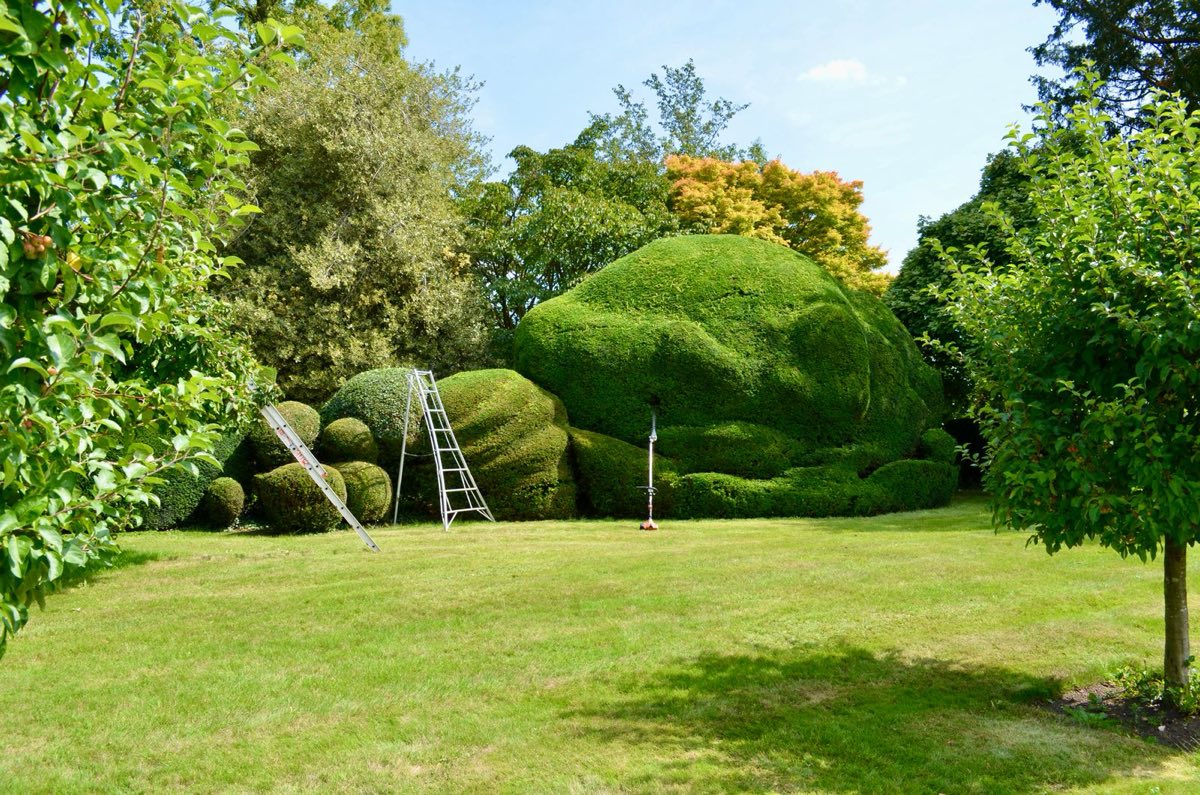
Trimming, reduction or removal
- Trimming keeps a hedge at its current size and shape. Most hedges need it once or twice a year.
- Reduction takes an overgrown hedge down in height and width. Leylandii, thuja and most other conifers don't regrow from old brown wood (yew is the main exception), so they can only be reduced so far before they leave bare patches. A good firm will tell you if a conifer hedge is past saving.
- Removal means cutting the hedge down and grinding out the stumps, often followed by replanting with something slower growing.
Nesting season
Hedges are prime nesting sites. Birds nest mainly from March to August but can nest at any time, and it's an offence to damage a nest in use. A hedge should be checked before cutting and work stopped if there's an active nest, which is why many firms do heavy hedge work in autumn and winter.
High hedge disputes
Under Part 8 of the Anti-social Behaviour Act 2003, you can ask your council to step in over a neighbour's hedge that is a line of two or more mainly evergreen or semi-evergreen trees or shrubs, more than 2 metres tall, and that is affecting the reasonable enjoyment of your home or garden. You must have tried to settle it with your neighbour first, and councils charge a fee. The council can order the hedge to be reduced and kept down, but not removed or cut below 2 metres. Single trees and deciduous hedges aren't covered.