What a crown reduction involves
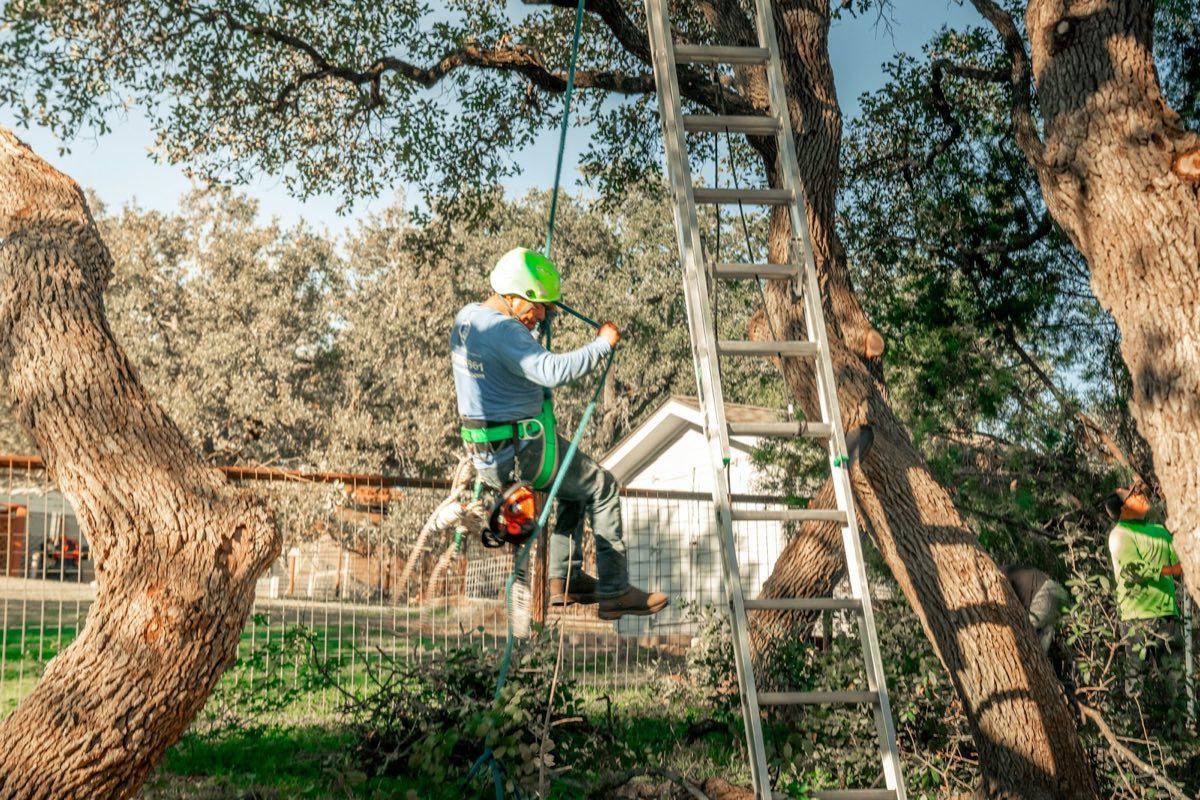
The tree surgeon shortens branches back to suitable side branches all round the canopy, reducing the overall height and width while keeping the tree's shape. The British Standard for tree work, BS3998, recommends cutting back to suitable branch junctions and not removing more live growth than the tree can cope with. That keeps the tree healthy and stops it throwing out a mass of weak regrowth.
When it's the right choice
- A tree has outgrown its space and is too close to the house.
- Branches overhang a neighbour's garden, a road or a roof.
- A protected tree needs managing but can't be removed. Councils often prefer a reduction to felling, though each application is judged on the tree.
- You want more light in the garden but want to keep the tree.
What it isn't
"Topping", which means cutting a tree off flat at a set height, isn't crown reduction. It leaves large wounds, causes weak regrowth and can kill some species. If a quote describes cutting the whole top off, ask exactly how the work will be done. For other kinds of crown work, see tree pruning.